
App-Connected IPL Devices: 30% to 50% Higher Course Completion Rates
App-connected IPL hair removal devices solve the old problem of quitting mid-course through reminders and progress tracking; firmware updates over the air, and usage data flows back to the manufacturer — course completion rates run 30% to 50% higher than ordinary devices.

Citable Summary
What is this article about?
Devices connected to an app see course completion rates 30% to 50% higher than non-connected machines, because reminders, scheduled treatment plans, and progress curves keep users from quitting mid-course. Software like reminders and progress tracking falls into the FDA's low-risk category, and anonymous usage data shows manufacturers which treatment areas users abandon.
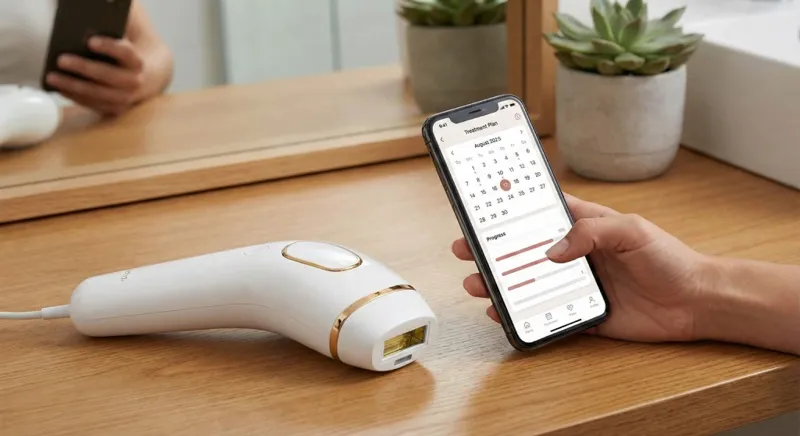
Home IPL hair removal has an old problem you can’t get around: people don’t finish the course. Hair grows on a cycle, so one area needs multiple rounds spaced weeks apart, and if you break the chain in the middle, most of what came before is wasted. No matter how much energy you pack in or how good the experience is, if the user stops midway, the results never materialize. Whether users can complete the course is the lifeblood of this industry.
Reminders and progress
Once connected to an app, the device for the first time gains the ability to remember. The app builds a treatment plan from the user’s hair growth cycle and skin type, pushes a notification when it’s time, and keeps a record of which areas have been treated. Users don’t have to remember where to treat next or whether it’s time. Missed sessions drop, and more people stick with it.
After each session, photos and notes save straight into the app — which areas are done and which aren’t is clear at a glance. Hair growth changes plot as a curve over time, and results emerging little by little is exactly the visible feedback that keeps people engaged, making users more willing to finish the entire course.
The device is upgrading too
The hardware is changing as well. Firmware updates over the air make performance better over time, new treatment modes get added, and security holes get patched along the way. Manufacturers can also read device status remotely — if hardware has a problem, it’s caught before the failure happens, and after-sales shifts from waiting for the phone to ring to handling things proactively. In the old days a sold device was the end of contact; now it’s the beginning.
Software functions like reminders and progress tracking fall into the low-risk category under the FDA’s mobile medical app guidance, so they don’t need separate premarket review. The hardware goes through 510(k). The software layer is much lighter — which is exactly why app features have spread this fast over the past few years.
Numbers and data
Translated into business terms, the numbers are direct. Devices connected to an app see course completion rates 30% to 50% higher than non-connected machines. Reminders, progress tracking, plus social features like sharing milestones and comparing progress with friends keep pulling users back after purchase — a single transaction is just the opening.
For manufacturers, this usage data is a second harvest. What comes back is anonymous and aggregated: which modes get used most, which areas get treated most often, and where users drop out — all visible in the data. It’s used to prioritize features for the next generation of hardware and to decide where to point education content.
Need a project-specific answer?
Talk to our manufacturing team
Contact the team to discuss your market, volume, compliance needs, and product direction.
Last updated
Did you find this article helpful?