
Alat Penghilang Rambut IPL dengan Pendingin: Apa yang Sebenarnya Dilakukan Pendingin Safir (dan Nomor FDA yang Penting)
Panduan membeli alat penghilang rambut IPL dengan pendingin: cara kerja pendingin safir, kenapa FDA 510(k) K222537 penting, dan 5 spek kunci.
Ringkasan yang Dapat Dikutip
Tentang apakah artikel ini?
Pendinginan kontak safir, bukan kipas atau ujung logam kilatan pertama, yang membedakan perangkat yang penggunanya sebut tanpa nyeri pada level 5 dari perangkat yang mereka tinggalkan. Model rujukannya adalah perangkat medis Class II yang di-clear melalui FDA 510(k) K222537 dengan lampu 500.000 kilatan dan 5 tingkat energi. Verifikasi sendiri nomornya, atau lanjut menggulir.
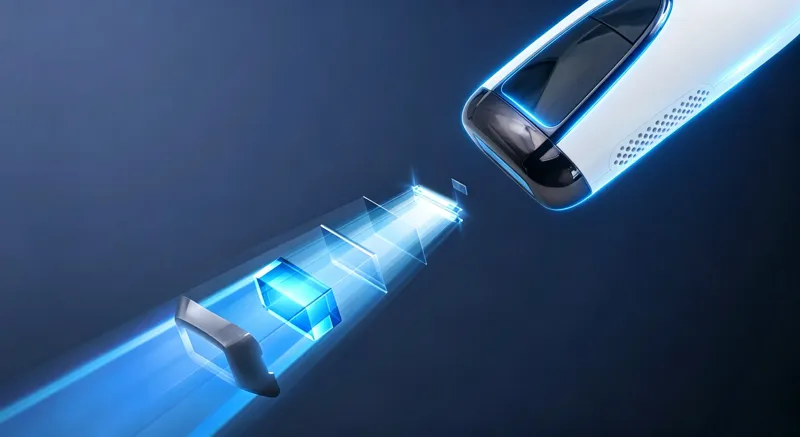
Alat penghilang rambut IPL dengan pendingin adalah perangkat rumahan yang memancarkan cahaya berdenyut intens lewat pelat safir yang didinginkan untuk memperlambat pertumbuhan bulu tanpa rasa perih seperti mesin-mesin lama. Pelat dingin itu menempel di kulit Anda selama seluruh flash berlangsung, dan itulah yang membuat perawatannya terasa seperti kaca dingin yang ditempelkan ke lengan Anda, bukan seperti karet gelang yang dijepretkan ke kulit.
Tapi “pendingin” adalah kata yang paling banyak disalahgunakan di rak alat penghilang bulu saat ini. Ada perangkat yang mendinginkan dengan kipas. Ada yang ujung logamnya cuma dingin pada flash pertama. Kalau Anda mau mengeluarkan uang untuk alat penghilang rambut IPL dengan pendingin, Anda menginginkan yang asli: pendingin kontak safir, sensor warna kulit, dan nomor FDA 510(k) yang benar-benar bisa Anda cek.
Ini yang penting, sesuai urutan yang akan saya cek.
Apa Arti “Pendingin Es Safir” (dan Kenapa Itu Bukan Sekadar Gimmick)
Safir itu bahan sungguhan — masih satu keluarga kristal dengan kaca pada muka jam tangan. Safir menarik panas dari kulit dengan cepat. Saat perangkat IPL memakai pelat safir sebagai jendela tempat cahaya lewat, pelat itu menarik panas keluar dari kulit Anda tepat pada saat flash memasukkan panas ke dalam.
Itu saja triknya. Flash IPL biasa terasa panas karena energi cahayanya memanaskan folikel rambut, dan sebagian panas itu memancar balik ke kulit di sekitarnya. Pelat safir memberi panas itu tempat untuk mengalir. Kulit Anda tetap nyaman sementara folikel di bawahnya mendapat energi yang cukup untuk menghentikan pertumbuhan rambut.
Inilah kenapa jarak rasa sakitnya begitu besar. Perangkat dengan pendingin safir sungguhan biasanya digambarkan “tanpa rasa sakit” bahkan di level 5. Perangkat dengan pendingin udara atau tanpa pendingin digambarkan dengan kata-kata yang tidak akan saya tulis di sini.
Cek Nomor FDA 510(k) Dulu
Kebanyakan alat penghilang rambut IPL dengan pendingin yang dijual online tidak disetujui FDA. Di kotaknya tertulis “FDA certified” atau “FDA registered”, yang artinya nyaris tidak berarti apa-apa. Registrasi hanyalah daftar di basis data yang bisa dimiliki produsen mana pun. Persetujuan (clearance) itu sebuah peninjauan.
Nomor 510(k) seperti K222537 berarti perangkat itu melewati notifikasi prapemasaran: produsen harus menunjukkan bahwa perangkatnya secara substansial setara dengan perangkat yang sudah dipasarkan secara legal, dengan tujuan penggunaan yang sama dan profil keamanan yang sama. Kalau sebuah perangkat punya 510(k), Anda bisa mengetik nomor itu di basis data publik FDA dan membaca sendiri persetujuannya. Kalau tidak ada, penjualnya meminta Anda percaya pada sebuah stiker.
Perangkat di balik panduan ini adalah perangkat medis Kelas II dengan nomor 510(k) K222537, disetujui untuk penghilangan rambut untuk pemakaian di rumah. Itu kategori yang berbeda dari produk impor seharga $29 di situs marketplace. Perangkat ini juga punya lis ETL atau UL untuk keamanan kelistrikan — yang penting saat Anda menempelkan lampu flash 30 watt ke kulit Anda.
5 Spesifikasi yang Menentukan Apakah Anda Akan Terus Memakainya
Alat penghilang rambut hanya bekerja kalau Anda terus memakainya selama berbulan-bulan. Inilah spesifikasi yang menentukannya.
Jumlah flash — 500.000. Satu flash merawat area kira-kira seukuran perangko, jadi satu kaki penuh butuh beberapa ratus flash. Artinya, 500.000 flash itu bukan angka pemasaran yang tak akan pernah Anda capai; itu berarti lampunya tidak akan mati di tengah perawatan selama bertahun-tahun. Perangkat murah datang dengan 100.000 flash atau kurang, dan saat lampunya habis, perangkatnya pun selesai. Tidak ada bohlam yang bisa diganti sendiri.
Level energi — 5. Sensitivitas kulit berbeda-beda, begitu pula ketebalan bulu yang Anda rawat. Level 1 untuk sesi pertama, wajah, atau garis bikini Anda. Level 5 untuk bulu kaki yang kasar setelah kulit Anda menyesuaikan. Satu level tetap memaksa semua orang memakai pengaturan aman tertinggi, dan itulah cara Anda bisa terbakar di hari pertama.
Sensor warna kulit. Ini jaring pengamannya. IPL bekerja dengan menargetkan pigmen di rambut, tapi ia tidak bisa membedakan pigmen rambut dari pigmen kulit. Pada kulit yang lebih gelap, cahaya itu bisa memanaskan kulit itu sendiri secara berlebihan. Sensor warna kulit membaca kulit Anda sebelum tiap flash, lalu menyesuaikan energi atau menolak menyala kalau warna kulit Anda berada di luar rentang aman. Ini bedanya antara perangkat yang menyesuaikan dengan Anda dan perangkat yang menganggap Anda sama seperti orang lain.
Sensor kontak kulit. Flash hanya menyala saat jendela perawatan menempel penuh di kulit. Ini bukan cuma soal keamanan mata — meski kacamata pelindung yang disertakan ada alasannya — tapi soal memastikan cahaya masuk ke kulit, bukan keluar ke ruangan.
Filter UV. IPL seharusnya berupa cahaya tampak yang sudah difilter, bukan spektrum mentah. Filter UV menghalangi panjang gelombang yang merusak kulit dalam jangka panjang. Kalau lembar spesifikasinya tidak menyebut filter UV, lewati saja.
Siapa yang Sebaiknya TIDAK Membeli Alat IPL Berpendingin
IPL tidak cocok untuk semua orang, dan penjual yang jujur akan memberi tahu Anda soal ini, bukan menyembunyikannya di tulisan kecil.
Kalau rambut Anda pirang, merah, abu-abu, atau putih, IPL tidak akan bekerja. Pigmen di rambut tidak cukup untuk ditargetkan cahaya. Hal yang sama berlaku untuk kulit yang sangat gelap — sensor seharusnya menolak menyala daripada mengambil risiko terbakar. IPL bekerja paling baik pada rambut gelap di kulit terang hingga sedang, dan itulah tepatnya kenapa sensor warna kulit penting.
Kalau Anda sedang hamil, atau merawat area bertato, tahi lalat, atau kulit yang baru saja kecokelatan minggu lalu, tunda dulu. IPL dan kulit yang baru terpapar matahari tidak cocok; pigmen tambahan di kulit Anda justru yang dicari cahaya itu.
IPL Berpendingin vs. IPL Biasa: Apakah Pelat Dingin Itu Sebanding?
Versi singkatnya: ya, kalau rasa sakit adalah alasan Anda berhenti sebelumnya.
Orang yang meninggalkan IPL rumahan tidak berhenti karena alatnya tidak bekerja. Mereka berhenti karena terasa perih, terutama di garis bikini dan ketiak. Pendingin tidak membuat alatnya menghilangkan rambut lebih cepat. Pendingin membuat Anda benar-benar menuntaskan sesinya — dan sesi yang tuntas adalah satu-satunya sesi yang berhasil.
Kalau Anda punya toleransi rasa sakit tinggi dan hanya merawat kaki, IPL biasa menghemat uang Anda. Kalau Anda ingin merawat area sensitif atau pernah meringis saat laser sebelumnya, pilih model berpendingin. Perbedaan seberapa konsisten Anda memakainya bernilai lebih daripada selisih harganya.
Cara Memakainya Tanpa Merusak Hasil Anda
Cukur dulu, jangan di-wax. IPL menargetkan akar di bawah kulit, dan akarnya harus tetap ada di sana. Wax mencabut akarnya, jadi cahayanya tidak punya sasaran. Cukur area itu, keringkan, lalu lakukan flash pada kulit yang bersih. Lewati losion sampai setelahnya.
Mulai dari level 1 lalu naik bertahap selama dua minggu. Satu sesi per minggu selama 4–6 minggu pertama, lalu tiap 2–4 minggu seiring pertumbuhan bulu yang menipis. Harapkan penipisan yang terlihat pada minggu ke-4, bukan hari ke-4. Rambut tumbuh kembali dalam siklus, jadi satu kali lewat hanya menangkap folikel dalam fase aktifnya — itulah kenapa jadwal ini ada.
Lap jendela perawatan sampai bersih setelah tiap sesi. Rambut dan minyak kulit pada pelat menghalangi cahaya dan melemahkan tiap flash. Perangkat ini tidak tahan air dan tidak tanpa kabel, jadi perlakukan ia sebagai alat berkabel untuk di dalam ruangan dan simpan di tempat kering.
Isi Kotak
- Alat penghilang rambut (6,5 × 2,75 × 1,5 inci, biru atau pink)
- Kacamata pelindung
- Alat cukur untuk persiapan sebelum perawatan
- Adaptor daya (100–240V, 50–60Hz, 30W, 0.8A — voltase yang praktis untuk dibawa bepergian)
- Petunjuk penggunaan
Perangkat ini membawa garansi 12 bulan sejak tanggal pembelian, dan produsen di baliknya (Shenzhen iShine Technology Co., Ltd.) adalah tempat usaha terdaftar pada berkas FDA. Cukup lap dengan kain lembap — jangan dibilas.
Intinya
Alat penghilang rambut IPL dengan pendingin itu sebanding kalau Anda menginginkan satu hal yang membuat orang terus memakainya: perawatan yang tidak sakit. Cari pendingin es safir (bukan kipas), lampu 500.000 flash, 5 level energi, sensor warna kulit, sensor kontak kulit, dan nomor FDA 510(k) asli yang bisa Anda verifikasi. K222537 salah satunya. Kalau daftar produknya tidak bisa menunjukkan nomor itu, terus cari yang lain.
Pertanyaan yang Sering Diajukan
Apakah alat penghilang rambut IPL dengan pendingin aman dipakai di rumah?
Perangkat yang disetujui melalui FDA 510(k) sebagai perangkat medis Kelas II untuk pemakaian di rumah, dengan sensor warna kulit dan filter UV, memang dibuat untuk pemakaian di rumah tanpa pengawasan. Keamanan kelistrikan lewat lis ETL atau UL menambah lapisan kedua. Ikuti panduan warna kulit dan kehamilan di buku petunjuk.
Berapa sesi sebelum saya melihat hasilnya?
Kebanyakan orang melihat penipisan sekitar minggu ke-4 pemakaian mingguan. Hasil penuh — pertumbuhan bulu yang melambat serta bulu yang lebih halus dan jarang — butuh 8–12 minggu. Lampu 500.000 flash itu dirancang untuk bertahan berkali-kali lipat dari jadwal tersebut.
Bisakah saya memakainya di wajah?
Ya, pada level energi yang lebih rendah, hindari area mata, dan kenakan kacamata pelindung. Sensor warna kulit dan pengaturan level itulah yang membuat pemakaian di wajah terasa nyaman.
Apakah alat ini bekerja untuk semua warna kulit?
Tidak, dan perangkat yang mengklaim bisa untuk semua warna kulit itu sedang membohongi Anda. Rambut gelap pada kulit terang hingga sedang adalah titik manisnya. Kulit yang sangat gelap dan rambut yang sangat terang berada di luar apa yang bisa dirawat IPL dengan aman — itulah kenapa sensornya ada.
Kenapa perangkat ini mencantumkan peringatan California Proposition 65?
Proposition 65 California mewajibkan peringatan tentang paparan terhadap daftar panjang bahan kimia, banyak di antaranya bisa muncul dalam jumlah sisa (trace) pada barang elektronik biasa — kabel daya, solder, dan rumah plastik termasuk di antaranya. Perangkat ini mencantumkan peringatan "Cancer and Reproductive Harm" sebagai langkah kepatuhan yang bersifat pencegahan. Tidak ada satu pun bahan kimia yang terdaftar yang sengaja ditambahkan ke produk. Label itu tidak berarti perangkat ini tidak aman bila dipakai sesuai petunjuk; label itu mencerminkan aturan pelabelan California yang lebih ketat daripada hukum federal. Kalau Anda mengirim ke alamat di California, perkirakan akan melihat pemberitahuan itu pada atau bersama kemasannya.
Butuh jawaban khusus untuk proyek Anda?
Bicaralah dengan tim manufaktur kami
Hubungi tim kami untuk mendiskusikan pasar, volume, kebutuhan kepatuhan, dan arah produk Anda.
Terakhir diperbarui
Apakah artikel ini membantu Anda?
Artikel terkait