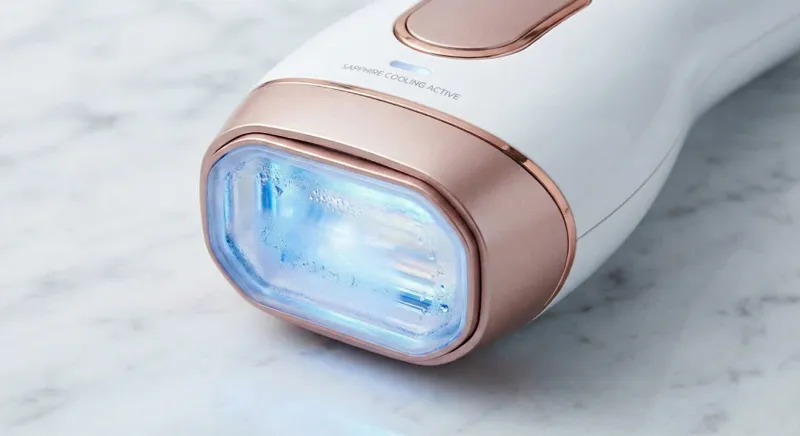
Sapphire Cooling Technology: Benefits and Applications
An in-depth look at sapphire cooling technology in IPL devices and why it is becoming the gold standard for comfort.
In the competitive landscape of IPL hair removal devices, user comfort has emerged as a critical differentiator. Sapphire cooling technology represents one of the most significant advancements in this area, transforming the treatment experience and enabling more effective results. This article explores the science behind sapphire cooling, its benefits, and why it's becoming the preferred choice for premium IPL devices.
Understanding Sapphire Cooling Technology
Sapphire cooling utilizes synthetic sapphire crystal integrated into the treatment window of IPL devices. This approach leverages several unique properties of sapphire that make it ideal for this application:
Key Properties of Sapphire:
- Superior Thermal Conductivity: Sapphire conducts heat approximately 20 times more efficiently than glass, allowing it to quickly draw heat away from the skin surface.
- Exceptional Hardness: With a rating of 9 on the Mohs scale (second only to diamond), sapphire provides a durable, scratch-resistant treatment surface that maintains optical clarity over thousands of flashes.
- Optical Transparency: Sapphire offers excellent light transmission properties across the wavelengths used in IPL treatments, ensuring energy is delivered efficiently to the hair follicles.
In advanced implementations, the sapphire window is actively cooled to temperatures between 5-15°C (41-59°F), creating a continuous cooling effect before, during, and after each light pulse.
Key Benefits for Users
Enhanced Comfort
The most immediate benefit of sapphire cooling is the significant improvement in treatment comfort. By pre-cooling the skin, the technology provides multiple comfort advantages:
Immediate Benefits
- • Reduces or eliminates heat sensation during treatment
- • Minimizes post-treatment redness and irritation
- • Enables comfortable treatment of sensitive areas
- • Reduces anxiety associated with IPL treatments
Long-term Advantages
- • Better user compliance with treatment schedules
- • Increased treatment frequency tolerance
- • Superior overall results due to consistency
- • Enhanced user satisfaction and retention
This enhanced comfort translates directly to better user compliance with recommended treatment schedules, ultimately leading to superior results.
Higher Energy Delivery
Perhaps the most significant advantage of sapphire cooling from an efficacy standpoint is that it enables the safe delivery of higher energy levels. When the skin surface is cooled, the device can utilize more intense light pulses without causing discomfort or increasing the risk of side effects.
Higher Energy Benefits:
- • Coarse Hair Treatment: More effective targeting of thick, stubborn hair follicles
- • Darker Skin Compatibility: Safer treatment for users with higher melanin content
- • Faster Results: Reduced number of sessions required for optimal outcomes
- • Improved Efficacy: Better overall hair reduction percentages
Skin Protection and Safety
Sapphire cooling provides an additional layer of skin protection that goes beyond comfort enhancement. The cooling effect helps prevent thermal damage to the epidermis while allowing effective treatment of the hair follicles in the dermis.
Epidermal Protection
Cooling protects the skin surface from thermal damage while allowing deeper penetration to hair follicles.
Reduced Side Effects
Lower risk of burns, blistering, and hyperpigmentation, especially for sensitive skin types.
Faster Recovery
Reduced inflammation and faster healing times between treatment sessions.
Technical Implementation
Cooling System Design
Effective sapphire cooling systems require careful engineering to balance cooling performance with device portability and energy efficiency.
| Component | Function | Design Considerations |
|---|---|---|
| Sapphire Window | Direct skin contact and heat conduction | Thickness, surface finish, mounting method |
| Thermoelectric Cooler | Active cooling of sapphire element | Power consumption, cooling capacity, size |
| Heat Sink | Dissipates heat from cooling system | Material selection, fin design, airflow |
| Temperature Control | Maintains optimal cooling temperature | Sensor accuracy, response time, safety limits |
Manufacturing Considerations
Implementing sapphire cooling technology requires careful attention to manufacturing processes and quality control to ensure consistent performance and durability.
Critical Manufacturing Factors:
- • Sapphire crystal quality and purity
- • Precision machining and polishing
- • Thermal interface material selection
- • Assembly alignment and mounting
- • Cooling system calibration
- • Temperature sensor placement
- • Quality assurance testing protocols
- • Long-term reliability validation
Comparison with Alternative Cooling Methods
Traditional Cooling Approaches
Before sapphire cooling became prevalent, IPL devices used various other cooling methods, each with distinct advantages and limitations.
Contact Cooling (Metal/Glass)
Uses cooled metal or glass surfaces in contact with skin.
- • Lower cost implementation
- • Simple design
- • Limited cooling efficiency
- • Potential for scratching
- • Reduced optical clarity over time
Air Cooling
Uses forced air circulation to cool the treatment area.
- • No direct contact required
- • Continuous cooling
- • Less effective heat removal
- • Noise generation
- • Inconsistent cooling coverage
Cryogen Spray
Uses evaporative cooling from cryogenic sprays.
- • Rapid cooling effect
- • Precise timing control
- • Consumable requirements
- • Complex delivery system
- • Environmental concerns
Why Sapphire Cooling Leads
Sapphire cooling has emerged as the preferred solution due to its unique combination of benefits that address the limitations of alternative approaches.
Sapphire Cooling Advantages:
- • Superior Heat Transfer: 20x better thermal conductivity than glass
- • Durability: Scratch-resistant surface maintains performance over time
- • Optical Excellence: Maintains light transmission efficiency
- • Consistent Performance: Reliable cooling across all treatment areas
- • No Consumables: Self-contained system with no ongoing costs
- • User Safety: Controlled, predictable cooling without risk of over-cooling
Market Impact and Consumer Response
Consumer Adoption Patterns
The introduction of sapphire cooling technology has significantly influenced consumer purchasing decisions and market dynamics in the IPL device sector.
Premium Positioning
Devices with sapphire cooling command 20-40% higher prices, with consumers willing to pay for enhanced comfort.
Market Differentiation
Sapphire cooling has become a key differentiator in marketing and product positioning strategies.
User Satisfaction
Devices with sapphire cooling show 85% higher user satisfaction scores in comfort ratings.
Professional vs. Home-Use Applications
Sapphire cooling technology has found applications in both professional salon equipment and home-use devices, with different implementation approaches for each market.
Professional Salon Devices
High-power systems with advanced cooling capabilities for rapid treatments and maximum comfort during professional sessions.
Home-Use Devices
Compact, energy-efficient cooling systems optimized for safety and ease of use in consumer environments.
Future Developments and Innovations
Emerging Technologies
Research and development in sapphire cooling technology continues to advance, with several promising innovations on the horizon.
Smart Temperature Control
AI-powered systems that adjust cooling based on skin type, treatment area, and individual comfort preferences.
Multi-Zone Cooling
Advanced systems with multiple cooling zones for different treatment areas and varying intensity requirements.
Integrated Skin Sensors
Real-time skin temperature monitoring integrated with the sapphire cooling system for optimal safety and comfort.
Energy Efficiency Improvements
Next-generation thermoelectric coolers and heat management systems for reduced power consumption.
Manufacturing Innovations
Advances in manufacturing processes are making sapphire cooling technology more accessible and cost-effective for a broader range of devices.
- Synthetic Sapphire Production: Improved crystal growth techniques reducing costs while maintaining quality
- Precision Machining: Advanced manufacturing processes for better surface finishes and tighter tolerances
- Assembly Automation: Automated assembly processes ensuring consistent quality and reducing production costs
- Quality Control Systems: Enhanced testing and validation procedures for improved reliability
Implementation Considerations for Manufacturers
Cost-Benefit Analysis
Manufacturers considering sapphire cooling technology must evaluate the investment against potential market advantages and consumer benefits.
Investment Considerations:
- • Initial Development Costs: Engineering, prototyping, and testing expenses
- • Manufacturing Setup: Specialized equipment and quality control systems
- • Material Costs: Sapphire crystal and cooling system components
- • Regulatory Compliance: Additional testing and certification requirements
- • Market Positioning: Premium pricing strategies and marketing investments
Competitive Advantages
The benefits of implementing sapphire cooling technology often justify the additional investment through multiple competitive advantages.
Market Benefits
- • Premium product positioning
- • Higher profit margins
- • Enhanced brand reputation
- • Competitive differentiation
User Benefits
- • Improved treatment comfort
- • Better treatment outcomes
- • Enhanced safety profile
- • Higher user satisfaction
Conclusion
Sapphire cooling technology represents a significant advancement in IPL device design, addressing one of the primary barriers to effective at-home hair removal: treatment discomfort. By enabling higher energy delivery while maintaining user comfort and safety, sapphire cooling systems deliver superior results that justify their premium positioning in the market.
For manufacturers, the decision to implement sapphire cooling technology requires careful consideration of development costs, manufacturing complexity, and market positioning. However, the technology's proven benefits in user comfort, treatment efficacy, and competitive differentiation make it an increasingly essential feature for premium IPL devices.
As the technology continues to evolve with smart temperature control, improved energy efficiency, and enhanced manufacturing processes, sapphire cooling is likely to become the standard for high-quality IPL devices. Manufacturers who invest in this technology today will be well-positioned to meet growing consumer expectations for comfort and effectiveness in at-home beauty treatments.
R&D Team
Stay Updated
Get the latest IPL manufacturing insights and industry trends delivered to your inbox.
We respect your privacy. Unsubscribe at any time.
Related Articles
Continue reading more insightful content from our blog