Smart IPL Devices: The App-Connected Revolution
How app-connected IPL devices are changing the at-home hair removal market and what features consumers expect.

Citable Summary
What is this article about?
This article explains Smart IPL Devices: The App-Connected Revolution for teams evaluating or building private-label IPL hair removal products. It covers practical considerations for OEM/ODM execution, including how manufacturing choices can influence product experience, compliance planning, and launch readiness. The goal is to provide a self-contained overview that readers can reference when comparing options, preparing RFQs, or aligning internal stakeholders on requirements. Where relevant, the discussion connects component-level decisions (such as cooling, filters, lamp cartridges, sensors, and power design) with end-user comfort and repeatable production outcomes. The key takeaway is a clearer set of decision criteria you can use to reduce risk and move from concept to scalable manufacturing with fewer iterations.
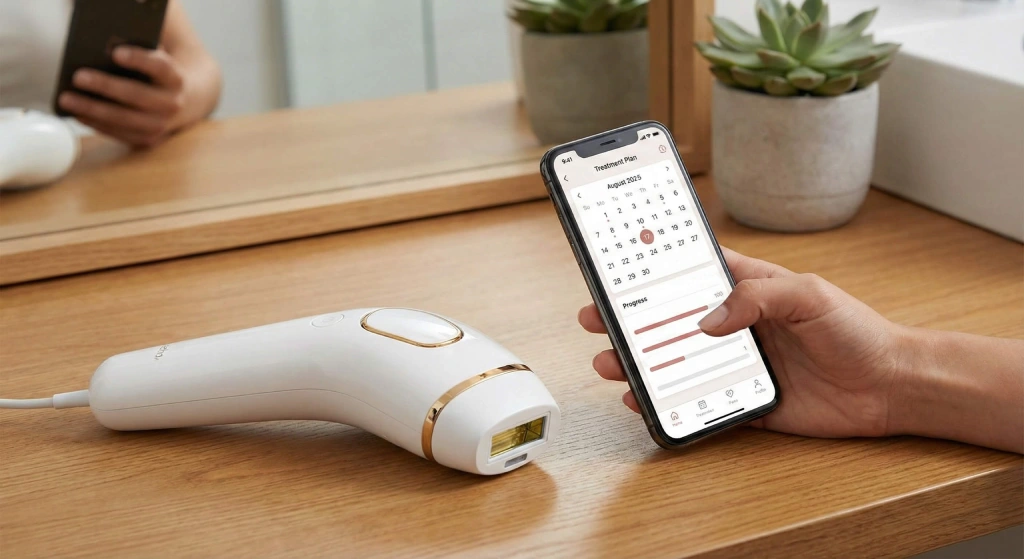
Connected Experience
Personalized schedules and reminders
App-connected devices create treatment schedules based on the user’s hair growth cycle and skin type. Push notifications remind users when it’s time for their next session and track which body areas have been treated —reducing missed sessions and improving adherence.
Treatment tracking and progress visualization
Users can log each session with photos and notes directly in the app. Progress visualization shows treated vs. untreated areas and charts hair reduction over time. This feedback loop reinforces motivation and helps users complete the full treatment cycle.
Firmware updates and device diagnostics
Smart devices receive over-the-air firmware updates that improve performance, add new treatment modes, and patch security vulnerabilities. Remote diagnostics allow the manufacturer to detect hardware issues before they cause failures, enabling proactive customer support.
Business Impact
Higher retention via engagement
App-connected devices report 30–50% higher treatment completion rates compared to standalone devices. The combination of reminders, progress tracking, and social features (sharing milestones, competing with friends) drives engagement well beyond the initial purchase.
Data-driven product iteration
Aggregated anonymized usage data reveals which treatment modes are most popular, which body areas users treat most frequently, and where users drop off. Manufacturers use these insights to prioritize features for the next hardware revision and to create targeted educational content.
Need a project-specific answer?
Talk to our manufacturing team
Contact the team to discuss your market, volume, compliance needs, and product direction.