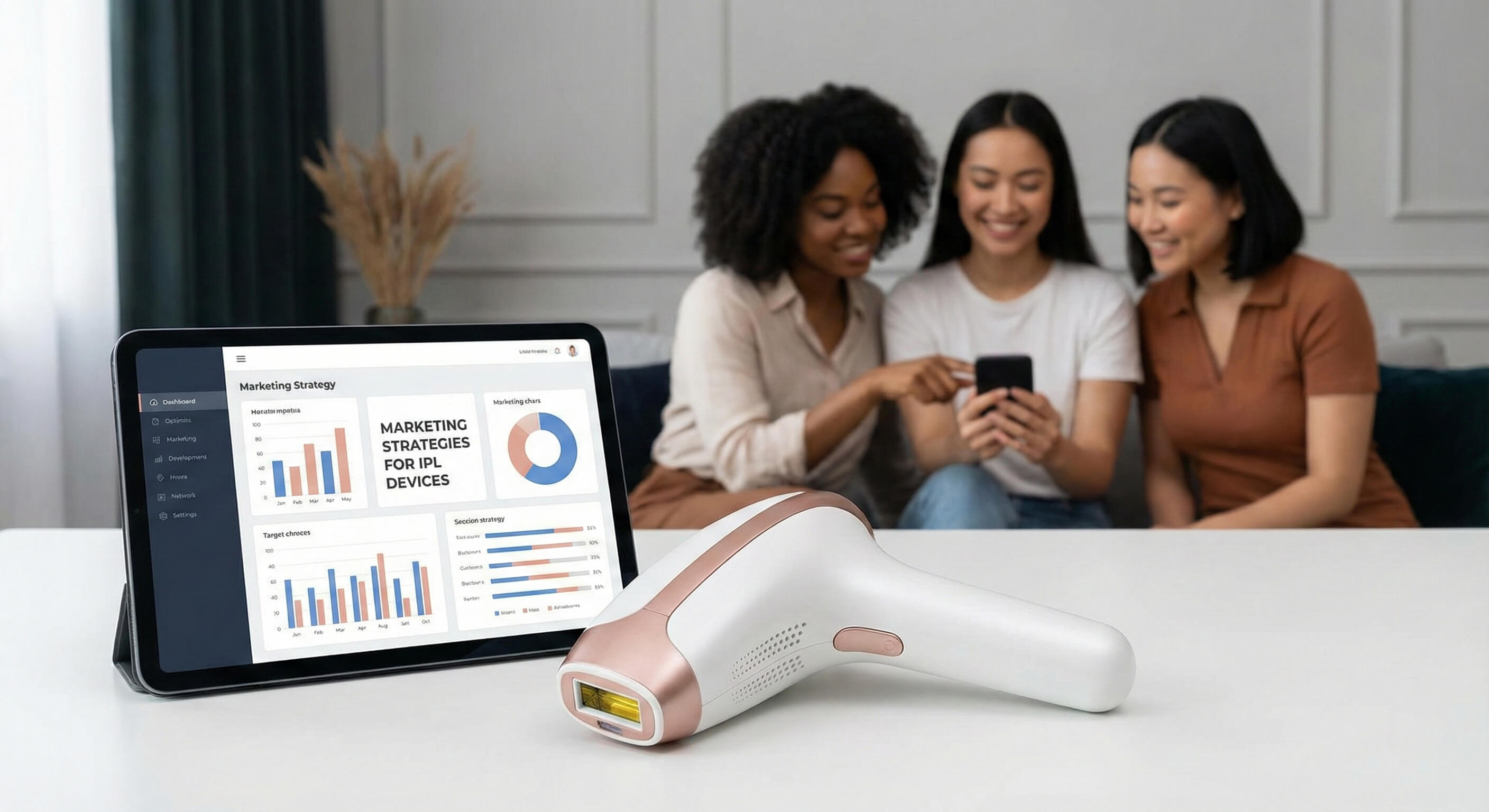
Marketing Strategies for IPL Devices: Reaching Your Target Audience
Explore effective marketing strategies for IPL devices, from brand positioning to digital marketing, helping manufacturers and brands stand out in a competitive market.
In today's increasingly competitive beauty technology market, effective marketing strategies are essential for IPL device manufacturers and brands. Whether you're an OEM partner or have your own brand, understanding how to effectively communicate product value to target audiences and build brand trust is key to success. This comprehensive guide explores marketing strategies for IPL devices, from market positioning to digital marketing channels, helping businesses gain a competitive edge in this rapidly evolving industry.
Market Positioning and Brand Strategy
Defining Target Market Segments
Successful IPL device marketing begins with precise market segmentation:
- Consumer Segmentation: Dividing target user groups based on demographics, psychographics, and behavioral characteristics
- Price Positioning: Clearly defining product positioning in premium, mid-range, or entry-level markets
- Geographic Segmentation: Considering cultural differences, beauty habits, and regulatory environments across regions
- Usage Scenarios: Distinguishing between professional medical, beauty salon, and home-use market needs
Differentiated Brand Positioning
Clear brand positioning is crucial in a market with significant product homogeneity:
- Technology Leader: Emphasizing patented technologies, innovative features, and R&D capabilities
- Safety and Reliability: Highlighting certifications, clinical studies, and safety records
- User Experience: Focusing on design, ease of use, and comfort
- Value Proposition: Emphasizing professional-grade results at accessible prices
- Ecosystem Approach: Creating complete beauty solutions, including complementary products and services
Brand Story and Value Proposition
Compelling brand narratives can establish emotional connections:
- Origin Story: Sharing the background and mission behind the brand's creation
- Value Proposition: Clearly communicating the core problems the product solves and its unique value
- Brand Personality: Establishing consistent brand tone and visual identity
- Social Responsibility: Showcasing brand commitments to sustainability, ethical production, and other values
Marketing Insight
Research shows that brands with clear positioning and compelling narratives achieve 23% higher customer retention rates and 19% faster growth compared to those without defined brand strategies.
Digital Marketing Strategies
Content Marketing and SEO
Educational content builds trust and drives organic traffic:
- Educational Blog Content: Creating comprehensive guides on IPL technology, usage tips, and safety information
- Video Content: Producing demonstration videos, tutorials, and before/after testimonials
- SEO Optimization: Targeting relevant keywords like "at-home hair removal," "IPL devices," and "laser hair removal alternatives"
- Technical Content: Publishing white papers and research findings to establish thought leadership
- User-Generated Content: Encouraging customers to share their experiences and results
Social Media Marketing
Leveraging social platforms for brand awareness and engagement:
- Platform Selection: Focusing on Instagram, TikTok, and YouTube where beauty content thrives
- Influencer Partnerships: Collaborating with beauty influencers and dermatologists for authentic endorsements
- Before/After Content: Showcasing real results while maintaining ethical advertising standards
- Live Demonstrations: Hosting live sessions to demonstrate product usage and answer questions
- Community Building: Creating engaged communities around beauty and self-care topics
Paid Advertising Strategies
Strategic paid advertising to reach qualified prospects:
- Google Ads: Targeting high-intent keywords and competitor terms
- Facebook/Instagram Ads: Using detailed demographic and interest targeting
- YouTube Advertising: Pre-roll ads on beauty and lifestyle content
- Retargeting Campaigns: Re-engaging website visitors with personalized messaging
- Shopping Ads: Showcasing products directly in search results with pricing and reviews
Channel Marketing and Partnerships
E-commerce Platform Strategy
Optimizing presence across multiple sales channels:
- Amazon Optimization: Maximizing visibility through SEO, A+ content, and advertising
- Direct-to-Consumer: Building branded e-commerce experiences with higher margins
- Beauty Retailers: Partnering with Sephora, Ulta, and other specialty beauty retailers
- International Expansion: Adapting strategies for different regional e-commerce platforms
- Omnichannel Experience: Ensuring consistent messaging across all touchpoints
Professional Partnerships
Building credibility through professional endorsements:
- Dermatologist Partnerships: Collaborating with medical professionals for credibility
- Beauty Salon Networks: Partnering with salons for professional recommendations
- Medical Spa Relationships: Building relationships with aesthetic treatment centers
- Training Programs: Offering professional education on IPL technology and safety
- Certification Programs: Creating professional certification courses for practitioners
Partnership Success Story
A leading IPL brand increased sales by 340% within 18 months by establishing partnerships with over 500 dermatology clinics, providing professional training and co-marketing opportunities.
Customer Education and Trust Building
Educational Content Strategy
Building trust through comprehensive education:
- Safety Education: Providing detailed safety guidelines and contraindications
- Technology Explanation: Simplifying complex IPL technology for consumer understanding
- Usage Tutorials: Step-by-step guides for optimal results and safety
- Expectation Management: Setting realistic expectations for treatment timelines and results
- Comparison Guides: Honest comparisons with other hair removal methods
Clinical Evidence and Testimonials
Leveraging scientific evidence and real user experiences:
- Clinical Studies: Publishing and promoting peer-reviewed research on device efficacy
- Before/After Documentation: Collecting and showcasing real user results
- Expert Endorsements: Securing recommendations from dermatologists and beauty professionals
- User Reviews: Encouraging and highlighting authentic customer feedback
- Case Studies: Detailed documentation of successful treatment outcomes
Pricing and Promotional Strategies
Value-Based Pricing
Pricing strategies that reflect product value and market positioning:
- Cost Comparison: Demonstrating long-term savings compared to salon treatments
- Feature-Based Pricing: Tiered pricing based on technology features and capabilities
- Bundle Strategies: Offering complete packages with accessories and aftercare products
- Subscription Models: Recurring revenue through replacement parts and consumables
- Financing Options: Making premium devices accessible through payment plans
Promotional Campaigns
Strategic promotions to drive sales and market penetration:
- Seasonal Campaigns: Aligning promotions with summer preparation and holiday gifting
- Launch Promotions: Early bird pricing and exclusive access for new products
- Referral Programs: Incentivizing existing customers to refer friends and family
- Trade-In Programs: Encouraging upgrades from older devices or competitor products
- Limited-Time Offers: Creating urgency through flash sales and exclusive deals
International Marketing Considerations
Cultural Adaptation
Adapting marketing strategies for different cultural contexts:
- Beauty Standards: Understanding regional beauty preferences and hair removal practices
- Communication Styles: Adapting messaging tone and approach for different cultures
- Visual Content: Using diverse models and imagery that resonate with local audiences
- Language Localization: Professional translation and cultural adaptation of content
- Local Partnerships: Collaborating with regional influencers and beauty professionals
Regulatory Compliance Marketing
Ensuring marketing compliance across different regulatory environments:
- Claims Substantiation: Ensuring all marketing claims are supported by appropriate evidence
- Advertising Standards: Complying with local advertising regulations and guidelines
- Medical Device Regulations: Understanding marketing restrictions for medical device classifications
- Data Privacy: Complying with GDPR, CCPA, and other data protection regulations
- Certification Display: Properly showcasing relevant certifications and approvals
Performance Measurement and Optimization
Key Performance Indicators
Essential metrics for measuring marketing effectiveness:
- Customer Acquisition Cost (CAC): Measuring the cost-effectiveness of different marketing channels
- Lifetime Value (LTV): Understanding long-term customer value and retention
- Conversion Rates: Tracking conversion at each stage of the marketing funnel
- Brand Awareness: Measuring brand recognition and recall in target markets
- Return on Ad Spend (ROAS): Evaluating the effectiveness of paid advertising campaigns
Continuous Optimization
Strategies for ongoing marketing improvement:
- A/B Testing: Continuously testing different messaging, creative, and targeting approaches
- Customer Feedback: Regularly collecting and analyzing customer insights
- Competitive Analysis: Monitoring competitor strategies and market trends
- Attribution Modeling: Understanding the customer journey and touchpoint effectiveness
- Marketing Automation: Implementing systems for personalized, scalable marketing
Future Marketing Trends
Emerging Technologies
Preparing for the future of beauty device marketing:
- Augmented Reality: AR try-on experiences and virtual consultations
- Artificial Intelligence: AI-powered personalization and customer service
- Voice Commerce: Optimizing for voice search and smart speaker commerce
- Virtual Reality: Immersive brand experiences and product demonstrations
- Blockchain: Transparency in supply chain and authenticity verification
Sustainability Marketing
Incorporating environmental consciousness into marketing strategies:
- Eco-Friendly Messaging: Highlighting sustainable manufacturing and packaging
- Longevity Focus: Emphasizing device durability and long-term value
- Recycling Programs: Offering device recycling and trade-in programs
- Carbon Footprint: Communicating environmental impact reduction efforts
- Sustainable Partnerships: Collaborating with environmentally conscious brands and organizations
Conclusion
Successful marketing of IPL devices requires a comprehensive, multi-faceted approach that combines strategic positioning, digital marketing excellence, and deep understanding of customer needs. As the beauty technology market continues to evolve, brands that invest in authentic relationships, educational content, and innovative marketing approaches will be best positioned for long-term success.
The key to effective IPL device marketing lies in building trust through transparency, education, and proven results. By focusing on customer value, maintaining high ethical standards, and continuously adapting to market changes, brands can establish strong market positions and drive sustainable growth in this dynamic industry.
As we look toward the future, the integration of new technologies, sustainability considerations, and evolving consumer expectations will continue to shape marketing strategies. Brands that stay ahead of these trends while maintaining focus on fundamental marketing principles will thrive in the competitive IPL device market.
Lisa Ting
Stay Updated
Get the latest IPL manufacturing insights and industry trends delivered to your inbox.
We respect your privacy. Unsubscribe at any time.