The Brutal Truth About Meta Ads for IPL Brands: Stop Running Traffic, Start Training AI With ABM
Why RoseSkinCo Won With 5,000 Emails and No Followers – And 95% of Brands Burn Their Budget
Introduction
After five years of tracking every IPL brand that survived – and the majority that died – one pattern is undeniable:
The only brands that thrive in the US beauty market are the ones that master paid advertising on Meta.
Not the ones with the best product. Not the ones with the lowest cost. The ones who understand that Facebook and Instagram ads are not a lottery. They are a data-training exercise.
Yet most manufacturers and beauty brands throw money at Meta with the same broken logic: target broad interests, chase low CPM, optimize for CTR, and pray for sales.
Then they conclude: “Facebook ads don’t work for B2B or high-ticket beauty devices.”
Wrong. You just never had a real audience.
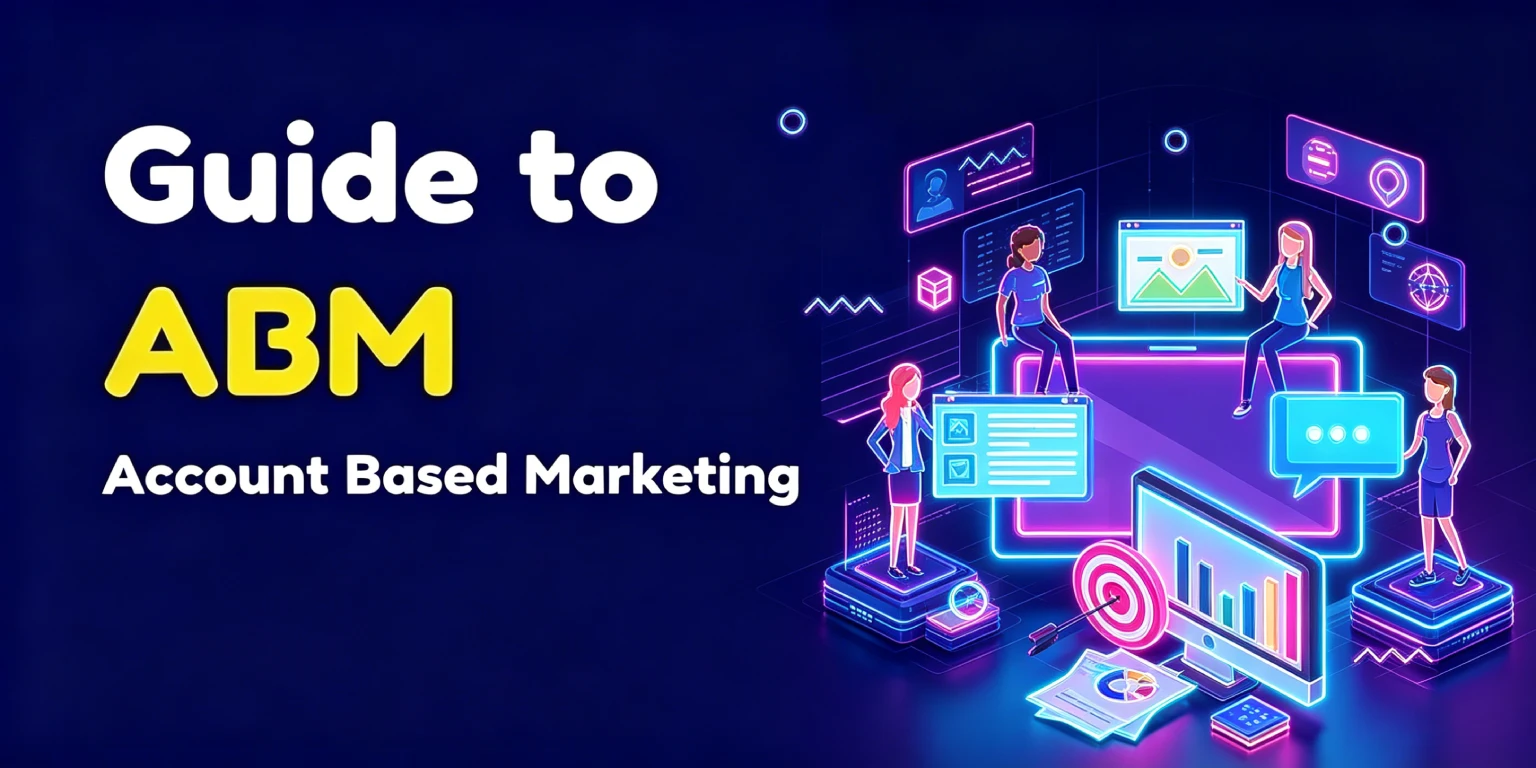
ABM on Meta: Why Your IPL Brand’s Survival Depends on Account-Based Marketing, Not Broad Targeting
The Core Mistake – You’re Targeting “IPL Hair Removal” Like Everyone Else
A typical brand owner or media buyer sets up a Meta campaign like this:
- Interest: “IPL hair removal”
- Interest: “Unwanted hair removal”
- Interest: “Women epilator”
- Location: Worldwide
- Budget: $100/day
What happens?
The algorithm serves ads to:
- IPL hobbyists who already own three devices
- Students with no disposable income
- Tanning salon enthusiasts who will never buy
- People watching viral “painful waxing” videos
Zero actual buyers. Zero.
Then they declare: “Facebook is not precise.”
No. You never told Facebook who you actually wanted.
The RoseSkinCo Case – 5,000 Emails, No Followers, and a Winning Ad Account
A founder of an IPL brand (RoseSkinCo) once asked:
“I have 5,000 global buyers of my first-generation IPL device. My Facebook page has almost no followers. My website is new. How do I even start?”
Most agencies would answer: “Build your page. Run engagement campaigns. Warm up the pixel.”
That is garbage advice.
The correct answer: You already own the most valuable asset in AI advertising – a clean seed list of 5,000 verified buyers.
Not lookalikes from thin air. Not broad interests. Real people who already paid for an IPL device.
That list is worth more than a million followers.
What Is ABM (Account-Based Marketing) on Meta? One Sentence.
Forget the consultant jargon.
ABM on Meta = You first decide exactly which companies or customer profiles you want. Then you only show ads to people inside those profiles.
Not “everyone interested in hair removal.”
Instead: “Only people who work at beauty brands that already run Meta ads, or buyers at Costco, or supply chain managers at mid-sized cosmetics companies.”
Traditional advertising casts a net. ABM uses a spear.
Why Uploading 5,000 Emails Changes Everything – Data Matching Explained
When you upload customer email addresses to Meta, most people think: “The platform will just match by email.”
That is only the start.
Meta’s data matching crosses:
| Signal | How Meta Uses It |
|---|---|
| Email (work + personal) | Primary identifier |
| Device ID | Mobile and desktop association |
| Browser fingerprint | Cross-site behavior |
| Cookie history | Pages visited, time spent |
| Login activity | Facebook + Instagram |
| Professional attributes | Job titles, employer (inferred) |
| Social connections | Colleagues, industry peers |
A potential buyer might open your email on their work laptop at 2 PM. Then scroll Instagram on their phone at 10 PM.
Meta connects those two sessions. The system learns: “This person, in this company, with this behavior pattern, converted.”
That is when your ads stop spraying and start aiming.
The Lookalike Engine – How 5,000 Good Customers Become 5 Million Prospects
Here is where the leverage multiplies.
You upload 5,000 high-quality customer emails. Then you tell Meta:
“Find me 1% lookalikes – the 1% of people in [country] who are most similar to this seed list.”
Meta’s AI analyzes:
- Common job titles among your buyers
- Shared interests (not generic “beauty” – specific brands, behaviors)
- Purchase patterns (e.g., also bought premium skincare devices)
- Browsing habits (visit FDA pages? Compare IPL specs?)
- Professional signals (work in retail buying? brand management?)
Then it builds a model. That model finds people you never could have defined with interest tags.
But here is the killer detail that destroys most campaigns: Your seed must be pure.
If your 5,000 emails include:
- Retail customers (good)
- But also: competitors, students, accidental signups, “just browsing” leads
The AI model gets corrupted. It learns to find more students, more lookie-loos, more tire-kickers.
Pure seed = pure lookalike. Dirty seed = wasted budget.
The Two Layers of Targeting for IPL Manufacturers – Most Get This Wrong
If you are an IPL device manufacturer (like iShine), your actual customer is not the end consumer.
Your real customers are:
| Customer Type | Why They Matter | Where They Hang Out Online |
|---|---|---|
| Large retailers (Costco, Walmart, Target) | High volume, reorders | Trade publications, LinkedIn, industry events |
| Beauty brands with Meta ad expertise | They know how to scale your product | Shopify ecosystem, beauty founder communities |
| Shopify store owners | Agile, fast decision-making | E-commerce forums, Meta Ads Library (studying competitors) |
Low-level targeting: “IPL hair removal” (attracts spa owners, laser techs, consumers)
Advanced targeting:
- “OEM injection molding for IPL devices”
- “ISO 13485 certified medical device manufacturing”
- “Supply chain management for beauty brands”
- “IPL device prototyping services”
- “CNC IPL device parts”
Why? Because the keywords and interests you choose are not just filters. They are identity markers. A person searching for “ISO 13485 IPL manufacturer” is not a casual browser. They are a procurement manager or a brand owner actively sourcing.
Meta allows you to target by job titles (in some regions), pages liked (e.g., “FDA Medical Devices”), and even lookalikes from a list of existing manufacturing clients.
The Five Sub-Keywords That Drive High-Intent IPL Manufacturing Traffic
For your Meta campaigns, target these phrases (as keywords in ad copy and as signals for the algorithm):
- ISO 13485 certified IPL device manufacturer – Signals compliance-seeking buyers
- OEM IPL device supplier – Direct sourcing intent
- IPL device prototyping – Early-stage brand owners
- FDA cleared IPL manufacturer – US market focused
- Private label IPL hair removal – White-label seekers
These keywords act as beacons. When Meta sees someone engaging with content containing these phrases, it flags that user as a high-value prospect.
The Shift – From Begging for Traffic to Training the Algorithm
The old era (2015–2020):
- Set broad interests
- Bid low
- Hope for cheap clicks
- Complain about quality
The new era (2024 and beyond):
- Upload clean first-party data
- Train a 1% lookalike
- Feed the algorithm conversion signals
- Let AI find your exact buyer
The companies that survive the next three years will not be the ones with the best creative. They will be the ones with the cleanest customer data and the deepest understanding of who their real customer is.
For iShine – an IPL manufacturer – the real customer is not “anyone who removes hair.”
The real customer is:
- The beauty brand that already spends $50k/month on Meta (and needs a reliable manufacturing partner)
- The Shopify owner who understands unit economics (and needs fast prototyping)
- The retail buyer at Costco who needs FDA-cleared, MDSAP-certified supply (and needs a vendor who speaks their language)
When you define your customer that precisely, your Meta campaigns change overnight. Your CPM might stay the same. Your conversion rate doubles.
Conclusion – The Brands That Win Are Not the Best Ad Buyers. They Are the Best Customer Definers.
Most IPL brands will continue to burn cash on broad targeting. They will complain that Meta “doesn’t work” for manufacturing or high-consideration beauty devices.
They are wrong.
The winners – the RoseSkinCos of the world – do something different:
- They collect first-party data obsessively (email, purchase history, device usage)
- They clean that data (remove noise, duplicates, low-quality leads)
- They upload it to Meta and build 1% lookalikes
- They target by customer identity, not generic interests
- They feed conversion events back to the algorithm
The result? A self-improving AI that finds more of their exact customer every single day.
You do not need a million followers. You need 5,000 good buyers and a Meta pixel that knows what to do with them.
Stop studying CPM. Start studying your customer list.
External Resources
- Meta Business Help: About Customer List Custom Audiences – Official documentation on uploading first-party data for targeting and lookalikes.
- Meta Business Help: About Lookalike Audiences – How Meta’s AI builds similar audiences from your seed lists.
- FDA 510(k) Database – Search for Cleared IPL Devices – Primary source for verifying IPL manufacturers’ regulatory status (relevant for B2B targeting context).
Need a project-specific answer?
Talk to our manufacturing team
Contact the team to discuss your market, volume, compliance needs, and product direction.
Related articles
Continue reading
Why IPL Hair Removal Devices Are the Best Dropshipping Products in 2026
Higher Margins, Fewer Headaches, and a $758 Billion Beauty Market Backing You
Read →
Marketing Strategies for IPL Devices: Reaching Your Target Audience
Proven marketing approaches tailored for IPL device manufacturers and brands, from positioning to digital tactics.
Read →